The EU AI Act's obligations are phasing in through 2026. Here's how to turn a legal framework into engineering practice — risk classification, documentation, and human oversight built into the system.
The EU AI Act is the first broad, risk-based law for artificial intelligence, and its obligations are phasing in over 2025 and 2026. For teams shipping AI, the practical question isn't "are we compliant?" but "is governance built into the system, or bolted on afterward?"
Start by classifying risk
The Act sorts AI uses into tiers — from prohibited practices to high-risk systems to limited- and minimal-risk applications. Most enterprise deployments land in the limited- or high-risk bands, and the obligations scale accordingly. Classifying each use case honestly is the first engineering decision, not a legal afterthought.
- Map every AI feature to a risk tier and record why.
- Keep technical documentation and a data-governance summary current.
- Log inputs, outputs, and decisions so behavior is auditable.
- Design human oversight into high-impact actions from the start.
Governance as code
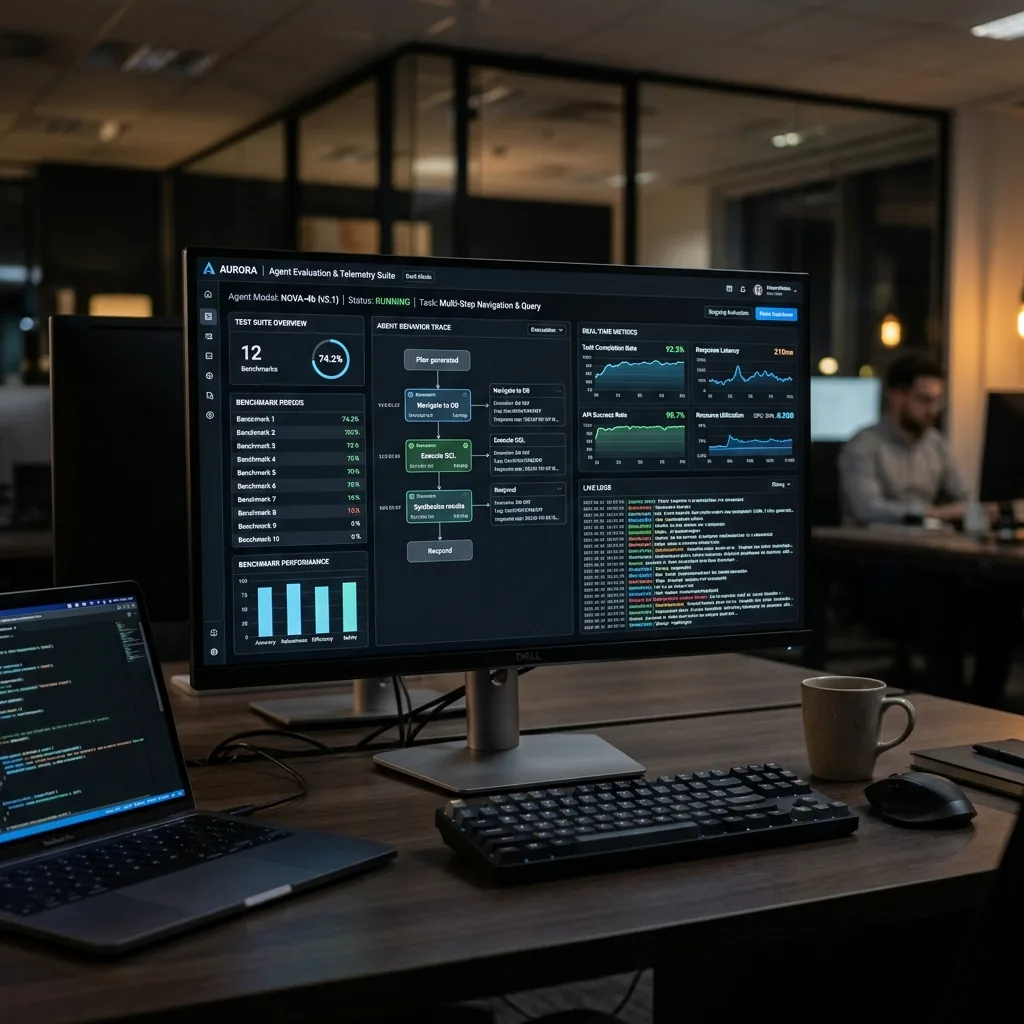
The controls the Act asks for — traceability, oversight, and evaluation — are the same practices that make AI systems reliable. Versioned datasets, continuous evaluation, decision logs, and explicit approval steps satisfy the regulation and improve the product at the same time.
The teams that treated governance as an engineering requirement, not just a legal one, were already most of the way to compliance.
Regulation will keep evolving, but the direction is clear: AI you can explain, audit, and oversee. Build for that now and compliance becomes a byproduct of good engineering rather than a scramble before a deadline. This article is general guidance, not legal advice — confirm specifics with qualified counsel.
Tagged Under

KoderTroop Systems Squad
Engineering Team
We are a collective of distributed systems engineers and architects at KoderTroop, focused on building resilient cloud infrastructure, multi-agent AI networks, and edge computing solutions.