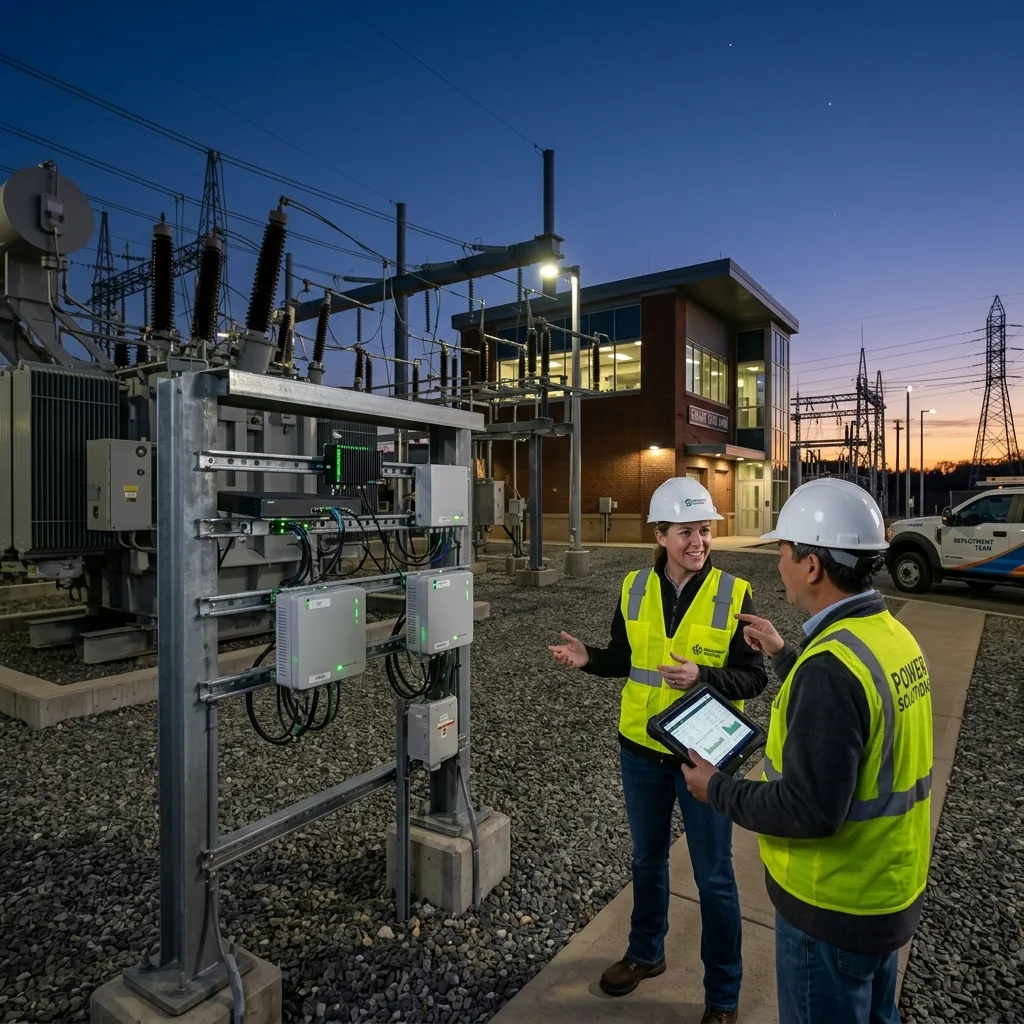
Securing smart metering nodes against device tampering and physical penetration risks.
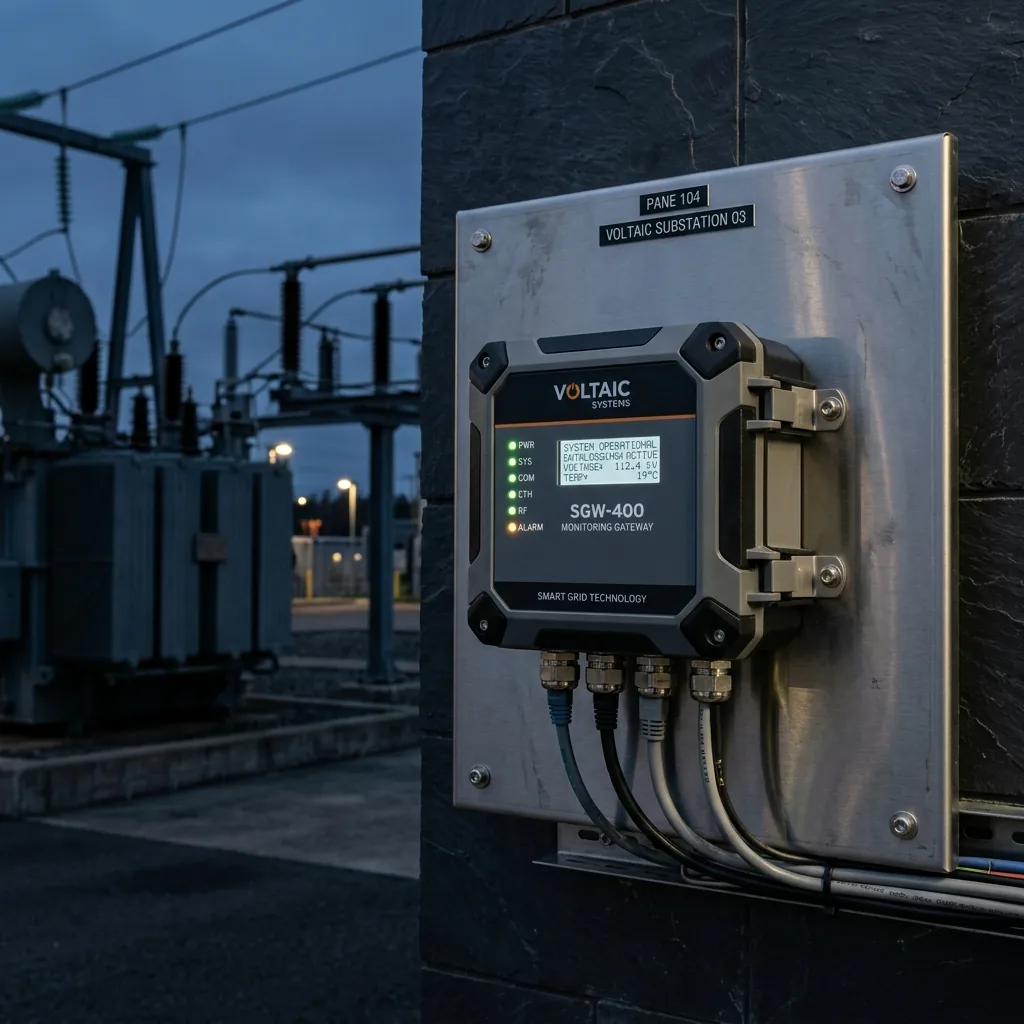
Smart-meter rollouts turn a utility's network into a fleet of thousands of small, physically exposed computers. Each gateway sits in a cabinet or on a pole where an attacker can reach it — so the threat model has to assume the hardware itself can be handled, opened, and probed.
What changes at grid scale
- Physical access: devices live in the field, not a locked data center.
- Long lifespans: meters stay deployed for a decade or more, so keys and firmware must be rotatable.
- Blast radius: one cloned credential can't be allowed to unlock the whole fleet.
Hardening the gateway
We start every deployment from a read-only root filesystem, sign every firmware image, and give each node its own identity so revoking one device never affects the others.
# mount the root filesystem read-only; writable state lives in a signed overlay
mount -o remount,ro /
# verify the firmware signature before applying an update
cosign verify-blob --key /etc/keys/fleet.pub --signature fw.sig firmware.bin
Assume every field device will eventually be in an attacker's hands. Design so that fact changes nothing about the rest of the grid.
Combined with encrypted peer-to-peer tunnels between nodes and the hub, this keeps a compromised meter contained to itself — the difference between an incident and a headline.
Tagged Under

KoderTroop Systems Squad
Engineering Team
We are a collective of distributed systems engineers and architects at KoderTroop, focused on building resilient cloud infrastructure, multi-agent AI networks, and edge computing solutions.