


IoT Gateways, Edge Processing and Telemetry
We connect equipment to the cloud and keep it manageable once it is there: field protocols, gateways, telemetry ingestion, edge processing and remote configuration, built for sites where the network drops and no one is on hand.
- Network & Connectivity
- Security & Surveillance
- Connected Healthcare
- Smart Cities & Infrastructure
- Fleet & Logistics
- Energy & Smart Utilities
Every Link in the Chain, Designed as One
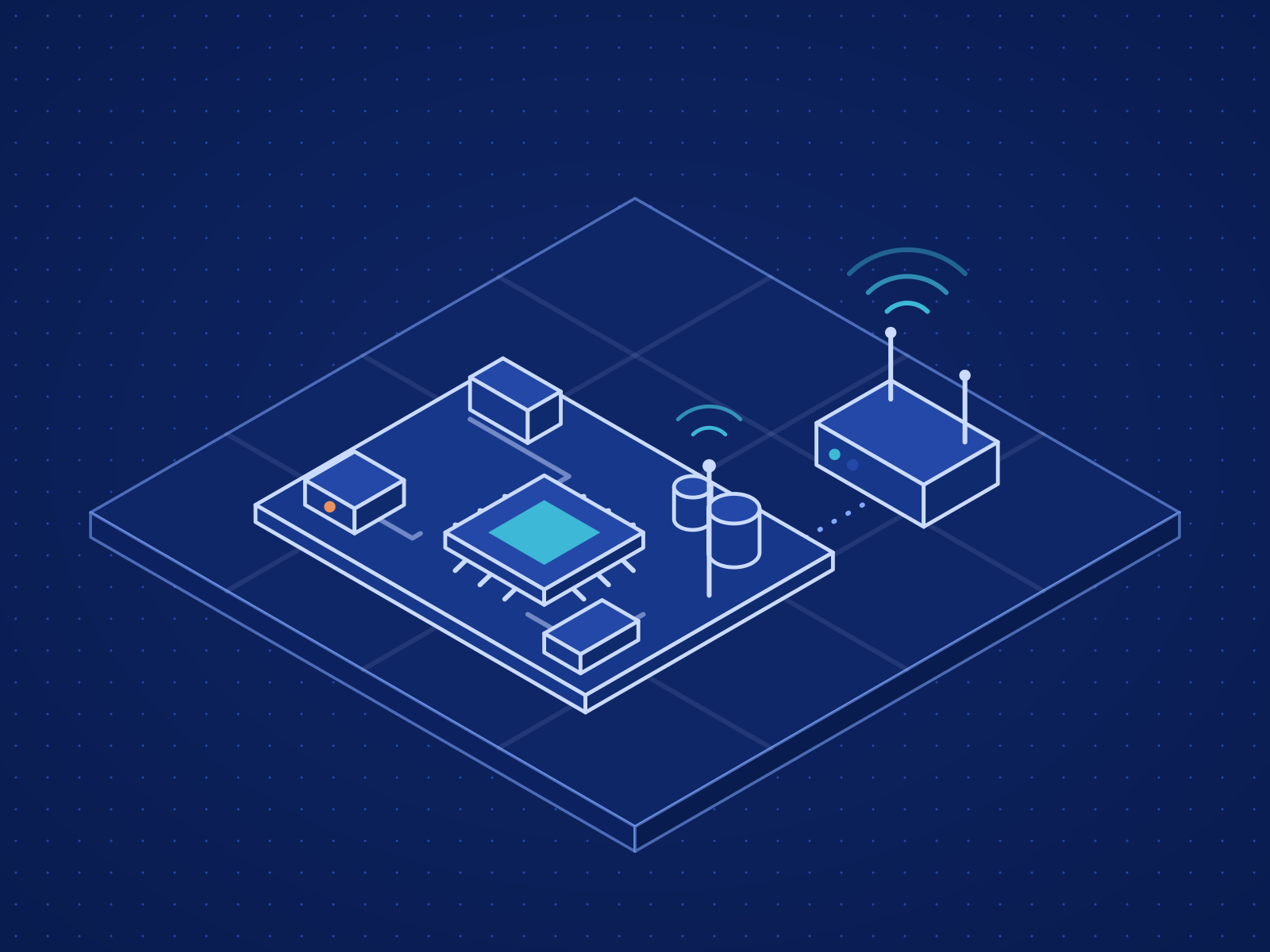
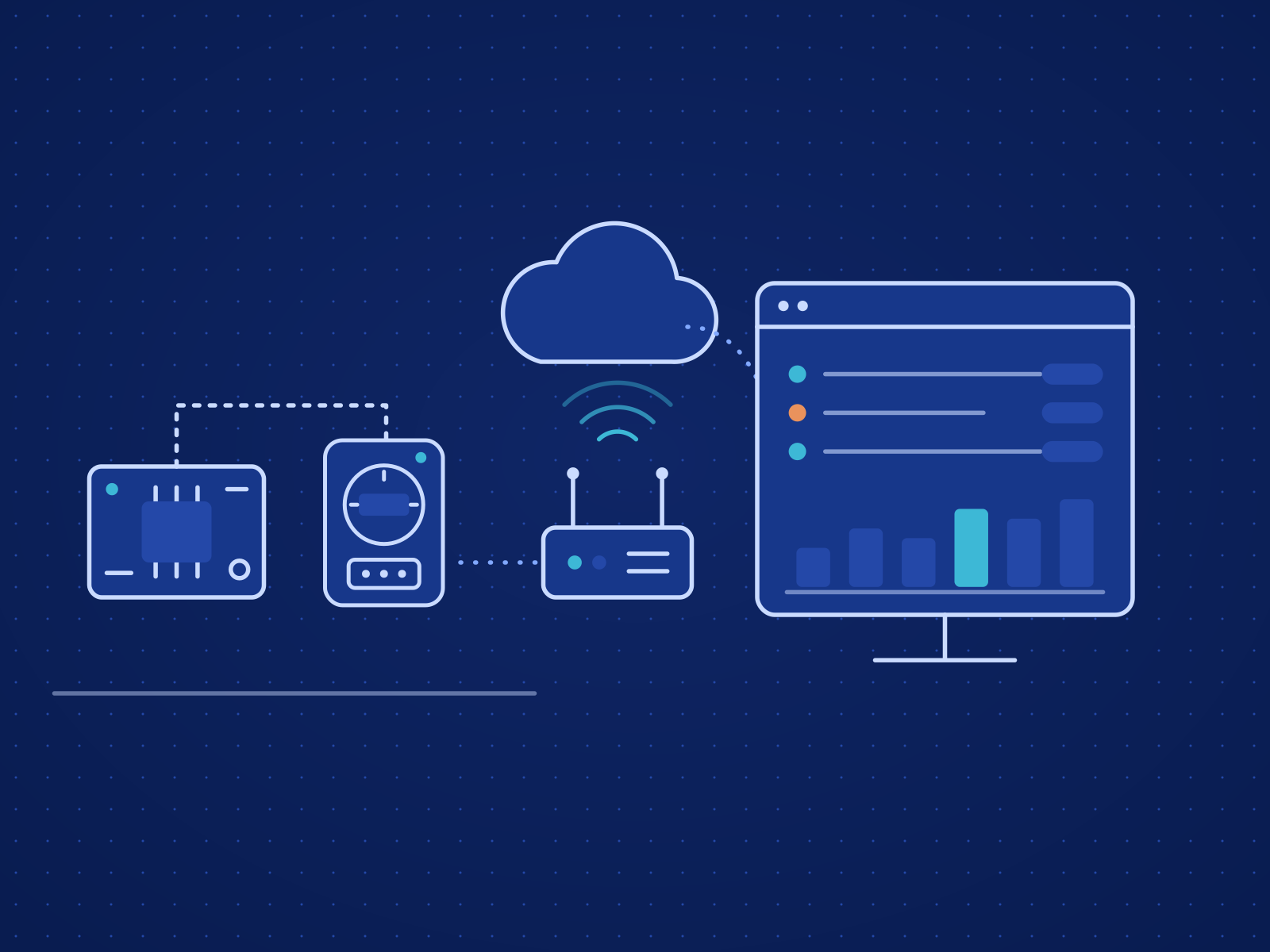
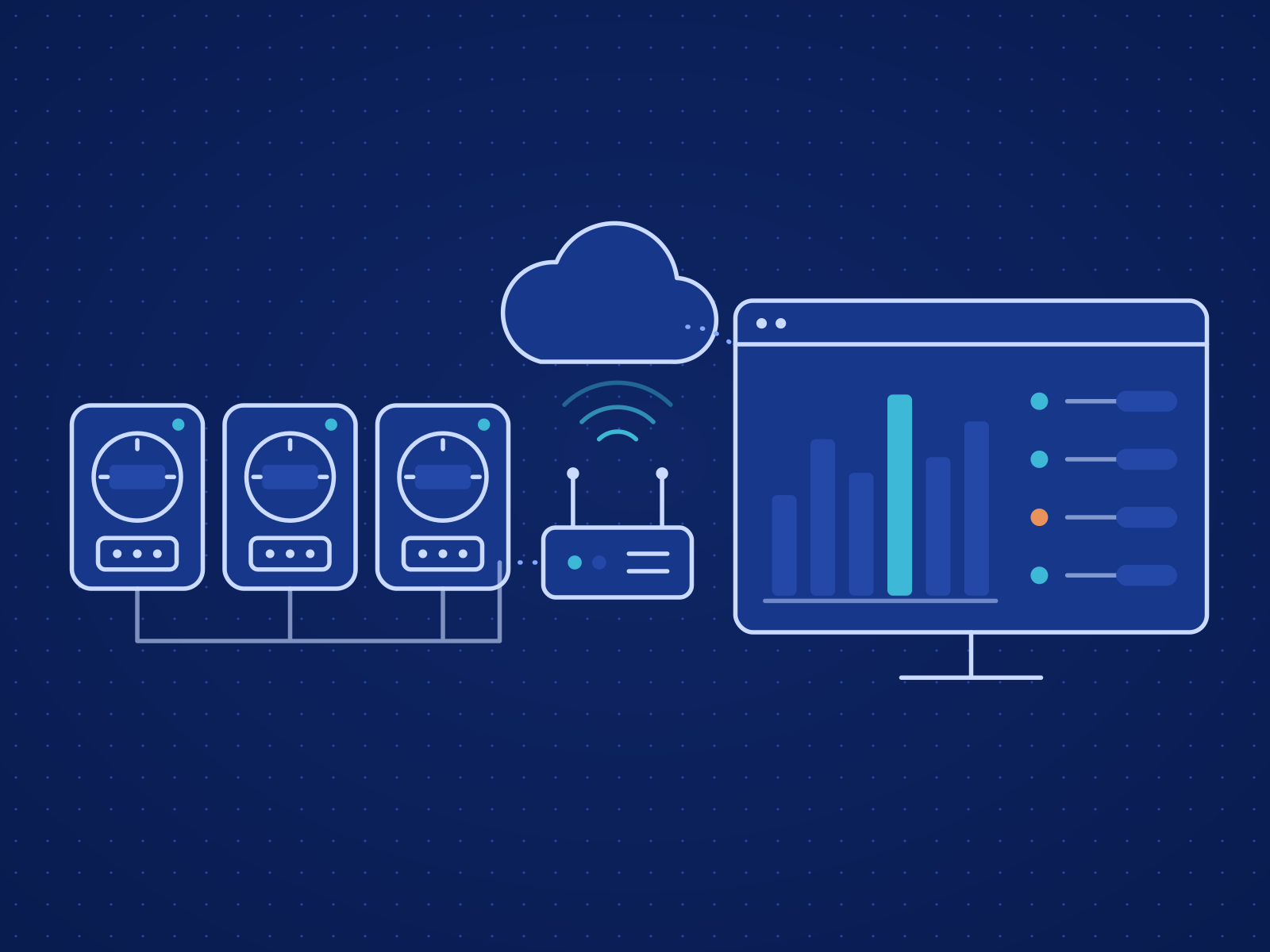
An IoT system is a chain: device, local network, gateway, backhaul, ingestion, storage and dashboard. A weak link anywhere surfaces as missing data or a device no one can reach. We design the chain as one system and build each link. Systems we have delivered include smart metering and street-light control, fleet telematics, aquaculture water monitoring and network device management.
IoT Capabilities
Connectivity, data platforms and device management for equipment distributed across sites, vehicles and remote field locations.
Business Challenges We Address
Equipment With No Central View
Meters, lamps, vehicles or machines operate across many sites, with no single place to see status or faults.
Networks That Drop
Cellular and site networks fail. Without local buffering, every outage leaves a permanent gap in the data.
Mixed Protocols and Vendors
Field devices speak Modbus, SNMP, BLE or proprietary protocols. Operators still need one platform, regardless of the device.
Fleets That Cannot Be Managed Remotely
Without remote management built in, changing a setting or updating software means sending someone to site.
Industry Use Cases
Smart Metering and Street Lighting
Meter readings and lamp control routed through gateways to the utility operator's central platform.
Fleet and Asset Tracking
Vehicle position, trips and device health reported over cellular links to a central fleet platform.
Machine Monitoring
Telemetry gathered from machines and controllers over industrial protocols, informing status checks and maintenance planning.
Water Quality Monitoring
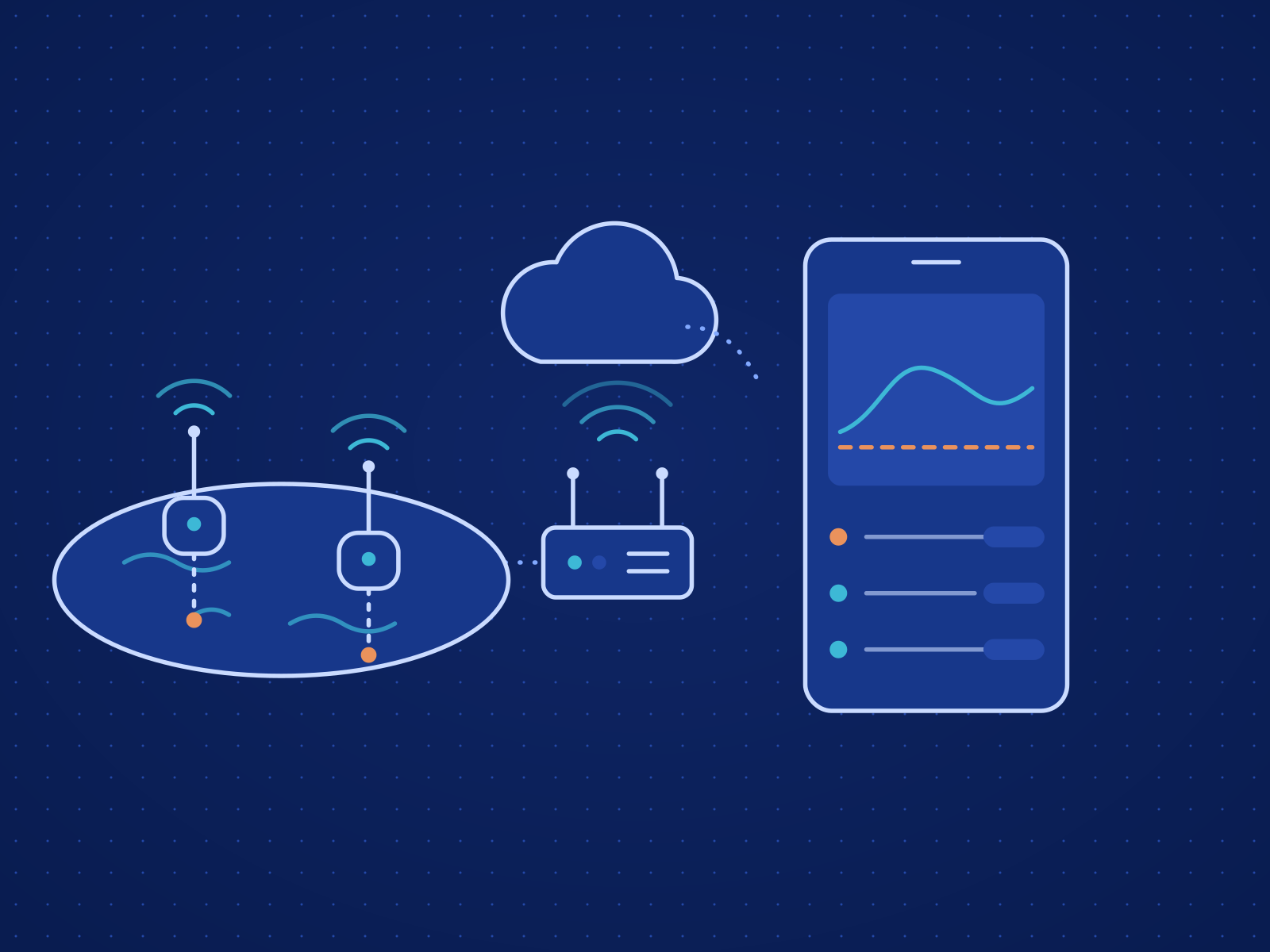
Readings from pond and tank sensors delivered to dashboards, with alerts when conditions become unsafe.
Network Device Management
Access points and other network devices monitored and configured from one central controller.
Technologies & Delivery Models
Connectivity Protocols
The tools we rely on for this layer of the system.
Why KoderTroop for IoT & Edge Computing
Devices, cloud and applications delivered by one partner, with every decision documented and handed over.
Single-Point Accountability Across Every Link
Device firmware, gateway software, cloud ingestion and dashboards share one architecture, so data formats and failure handling agree at every hop.
Designed for Poor Connectivity
Local buffering, retries and resynchronization are standard in every design, because field networks drop.
Hardware When You Need It
Where no standard gateway or sensor node suits the site, our hardware practice designs one to fit.
Open Protocols
Built on MQTT, HTTP APIs and standard industrial protocols, so the platform accepts devices from more than one vendor.

Related Case Studies
Related Work
Products
- Contactless Patient MonitoringVital signs, sleep, breathing and movement read from sensors under the mattress, with early-warning analytics and one dashboard for every bed a care team covers.
- Aquaculture Monitoring and Management SystemWater quality, aeration, feeding, animal health, harvests and farm costs for every fish and shrimp pond, managed in one platform with a mobile app for farmers.
- Fleet Management & Telematics PlatformLive GPS tracking, vehicle diagnostics, driver behavior, fuel, routes, maintenance and running costs in one platform, from tracker hardware we design to the dashboard and mobile app.
Solutions
Frequently Asked Questions
Your IoT & Edge Computing Project
Tell us what you are building and the constraints around it. We will scope the work with you.
Site & Device Survey
We catalog the devices, protocols, networks and site conditions, and agree what operators need to see and control.
System Architecture
We design the path from device to dashboard, covering connectivity, the gateway's role, data model, security and device identity.
Pilot Build
A small set of real devices is connected to prove the full path, including outages and recovery.
Rollout & Device Management
The system scales to the full fleet, with provisioning, remote configuration and over-the-air updates in place.
Operations & Handover
We set up monitoring and alerts, document the system, then either hand it over or continue supporting it.